Matte paint polarizes people. Some see muted panels and think stealth, sculptural lines, and a finish that looks like it belongs in a design studio. Others see risk, higher costs, and a lot of rules. Both perspectives have truth in them. Matte paint, whether from the factory or wrapped, trades traditional gloss for a flat texture that scatters light. That texture is the entire point, and it is also the main vulnerability. Anything that smooths or fills it, anything that polishes, anything that leaves residue or oils, will change the look. Care without shine takes intention and a slightly different toolkit.
I have spent enough time with matte factory paints from BMW Frozen, Mercedes Designo, Hyundai N, and Dodge, as well as PPF and vinyl wraps with satin finishes, to know that the biggest difference is not what you do, it is what you refuse to do. With gloss paint, you can correct mistakes by polishing. On matte finishes, most mistakes are permanent. The approach that works is conservative, consistent, and based on prevention.
How matte finishes are built, and why they behave differently
A traditional glossy finish relies on a smooth clear coat that behaves like glass. It reflects light and hides minor microtexture through optical leveling. Matte is the opposite. The clear coat itself is textured or chemically engineered to scatter light. Under magnification it looks like frosted glass. The same principle applies to satin PPF and vinyl, which use surface microtexture to diffuse reflection.
This optical structure means three practical things. First, abrasives change the surface permanently by flattening or burnishing the texture. Second, fillers and oils can temporarily create shiny patches or uneven darkening because they sit in the micro valleys. Third, stains soak in more readily since the surface area is higher and the coating is less slick. If you internalize those three points, every product and technique choice becomes simpler.
Washing is the new paint correction
On glossy cars, you can chase swirl marks with paint correction and compounding. With matte paint, you stop them from forming in the first place. That begins with wash technique. You want to remove dirt gently, quickly, and without grinding anything into the finish.
I favor a high-foaming, residue-free shampoo that is labeled safe for matte. The word safe is not marketing puff here. Some shampoos contain gloss enhancers or conditioners that leave behind polymers. On a matte panel, those polymers can darken or streak the surface. A pH-neutral, surfactant-rich soap rinses clean and will not add sheen. Start with a true pre-rinse. If you have access to a pressure washer, stand back at a respectful distance and remove as much grit as possible before contact. The idea is to let water do the heavy lifting.
Two buckets still matter. Use a dedicated wash mitt for upper panels and a second for lower, dirtier sections. Straight-line motions reduce the chance of visible marring. Rinse the mitt in the rinse bucket often. Dry with a clean, plush towel by blotting instead of dragging. Blowers work well here too, especially around badges and mirror caps where water can creep and deposit minerals.
Most matte owners wash every two weeks in mild climates, weekly in coastal or dusty environments. Bugs, bird droppings, and tree sap need same-day attention. Letting protein or tannin waste sit on textured paint is how you end up with ghosting, even if you thought you wiped it quickly. Keep a small kit in the trunk with distilled water, a matte-safe quick detailer, and a stack of soft microfibers.
What not to do, even if it feels harmless
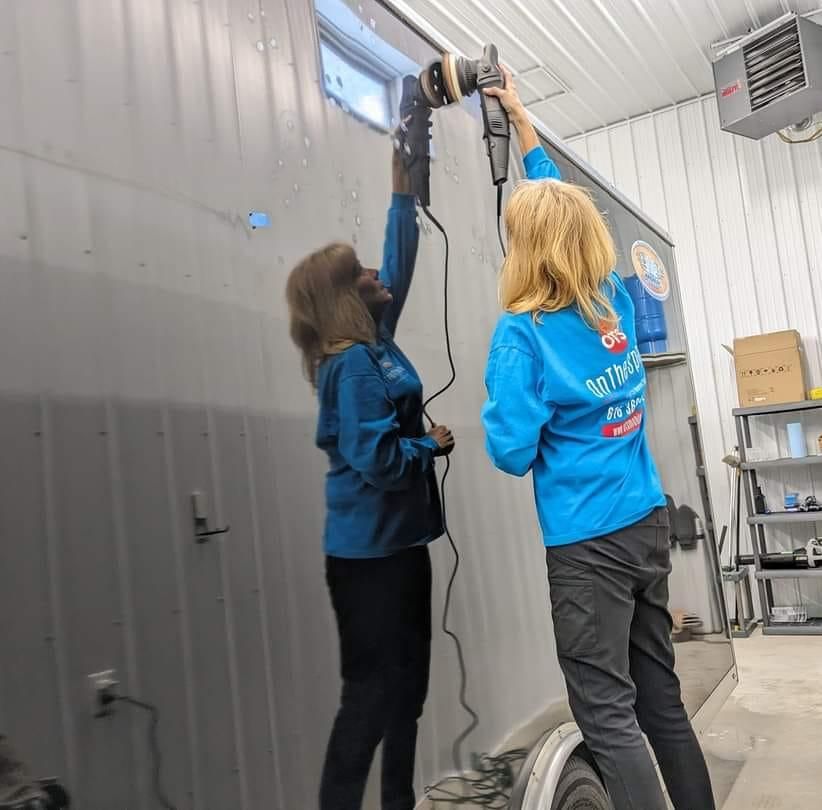
The habits that save time on glossy finishes can ruin a matte surface. Machine polishing is the most obvious no-go. You cannot compound a matte panel. There is no such thing as paint correction for matte, since correction requires leveling. Anything labeled swirl remover, glaze, or polish is out. The same goes for waxes with carnauba, silicones, or petroleum distillates that create gloss.
Avoid abrasive bug sponges, stiff brushes, and magic erasers. Those melamine pads are micro-abrasives, which is why they remove marks so quickly on kitchen walls. On matte paint, they etch paths that shine under direct light. Skip tire dressings that sling, especially solvent-heavy products. Sling stains on a matte rocker panel are not fun to reverse.
If a dealership or car wash employee offers a complimentary “buff,” decline politely. Conveyor washes are a gamble even for glossy vehicles, but for matte paint the risk jumps. Hand washing in controlled conditions is safer and, over the life of the vehicle, cheaper than panel repaints or wrap replacements.
What works instead: protection that respects texture
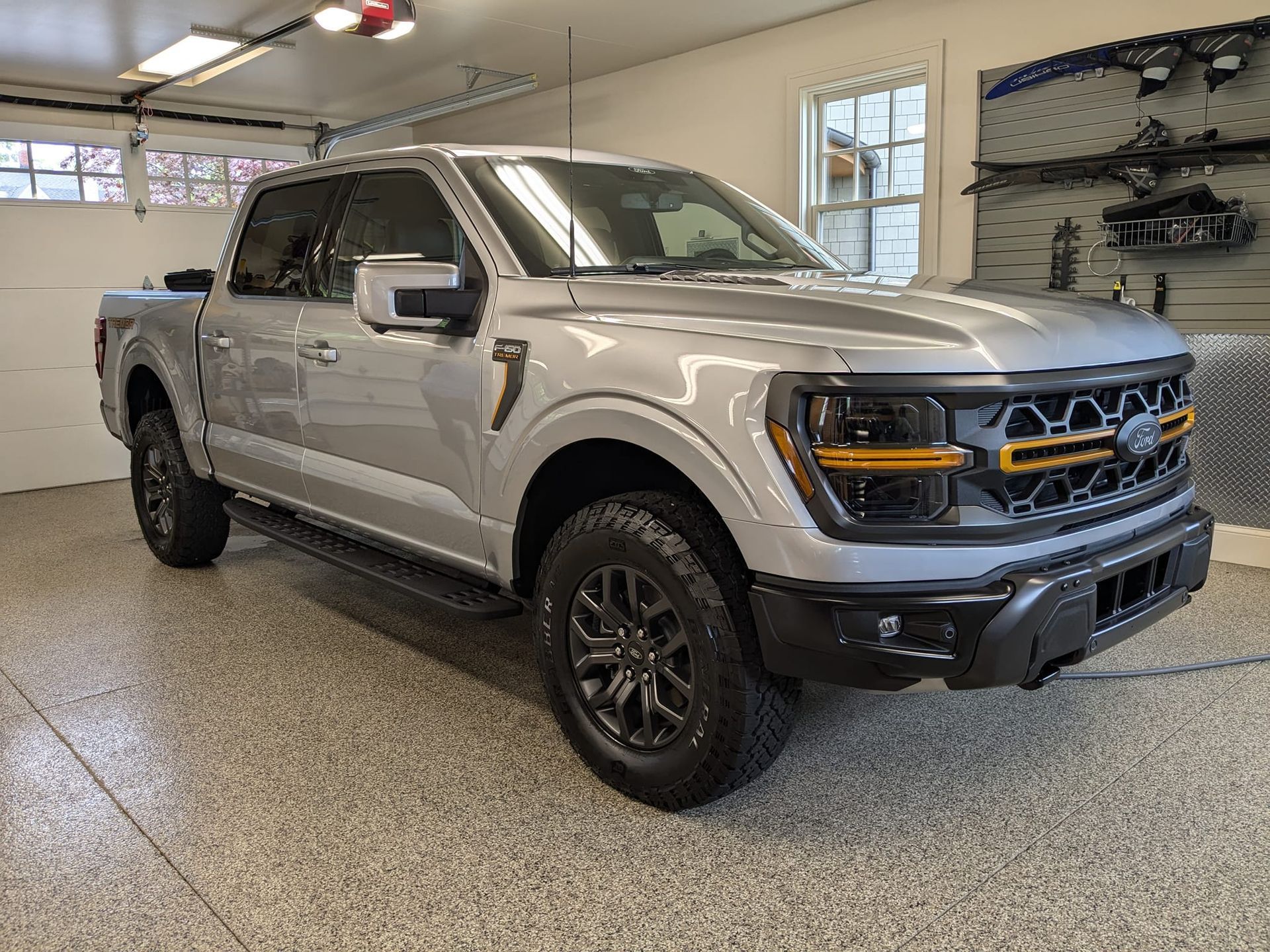
If you cannot polish away defects, your best defense is a sacrificial layer that resist stains and UV without changing the look. This is where ceramic coating comes in, but the product must be engineered for matte. Traditional coatings often add depth and a candy gloss. A matte-specific ceramic coating is tuned to maintain the original finish, often with no visual change beyond slightly richer color when viewed at oblique angles. The benefit is functional. It increases surface hardness, makes cleanup easier, and reduces water spotting.
At On the Spot Mobile Detailers, our technicians lay down matte-safe ceramic coating in controlled lighting to verify even coverage. If the context matters, we can adapt to a driveway or garage, but we pay particular attention to application media and leveling windows. We have learned that slower, cross-hatched passes with short-nap microsuede applicators avoid patchiness on textured clear coats. The coating’s solvent content matters too. Overly hot carriers can flash unevenly and leave bright halos. Our team tests a small, inconspicuous panel first, then proceeds in measured sections. The client sees no shine, only more predictable maintenance afterward.
Wheel coating makes sense for matte cars as well. Brake dust and iron fallout chew into porous surfaces quickly. A high-temp wheel coating ceramic on wheels, and a matte-safe coating on calipers if they share the finish, cuts cleaning time and prevents the dusty mosaic that sets in after a month of city driving.
Decontamination without drama
Every finish picks up bonded contaminants. On matte paint, the response must skip clay bars with aggressive grades. A mild clay, well-lubed, can sometimes be used, but you risk tinting or burnishing. Chemical decontamination is safer. A quality iron remover used panel by panel, followed by a thorough rinse, will dissolve ferrous particles without abrasion. Work cool panels only, in shade, and avoid letting the product dry on the surface. Tar removers can help on rocker panels, though some solvents can stain matte if left to dwell. Follow the dwell time on the label and neutralize with a gentle wash.
Water spotting deserves a mention. Mineral deposits can etch, and they telegraph strongly on flat paint. If you live in a hard water area, a deionized rinse system is a smart upgrade. Otherwise, wash early or late in the day when panels are cool, rinse thoroughly, and dry methodically. If you see spots forming, mist a matte-safe detailer and wipe them while they are fresh. Once etched, they rarely disappear.
Touch-ups and the limits of repair
A chip on glossy paint can be blended, sanded, and polished to near invisibility. On matte, blending is limited. You can dab touch-up paint to seal the substrate, but the texture mismatch reads like a shiny dot unless a body shop resprays the panel with the correct matte clear. Smart repair techs with airbrushes and flattening agents can sometimes camouflage small defects on lower panels or black plastics, but expectations should be realistic.
Vinyl and satin PPF add flexibility. If the defect is localized, you can replace a section. Seams can be hidden under trim or at body lines. That modularity is one reason many matte owners choose PPF even on factory matte cars. It gives you a reset button if life happens.
Interior and glass, because matte aesthetics do not stop at the door
Many matte paint owners prefer low-sheen interiors as well. The same rules apply. Avoid greasy dressings on dashboards and door cards. They create glare and attract dust. Interior coating, formulated for soft-touch plastics and leather, adds stain resistance without a shiny finish. We apply interior coating on steering wheels and high-contact surfaces regularly. Matte textures on dash bezels are easy to polish smooth by accident, so choose microfiber over brushes and skip aggressive APC concentrations. Glass should be crystal clear, but not smeared with silicones that can haze. An ammonia-free cleaner and a dedicated lint-free towel keep pillars and rear glass from streaking.
Headlight restoration fits into this holistic approach. If your headlight lenses haze, you can restore clarity with sanding and UV sealant, but keep your masking generous. A brief slip into adjacent matte paint can leave a polished crescent that draws the eye every time you walk up to the car. I have seen it happen during rushed jobs, which is why we double-tape edges and use plastic edge guards when restoring headlights on vehicles with matte fenders or bumpers.
When mobile detailing makes or breaks the result
Matte cars are not fragile, they are just honest. They reveal poor technique. Mobile detailing for matte requires planning around weather, dust, and water quality. At On the Spot Mobile Detailers, the crew carries DI water and a pop-up canopy for shade, because a gusty alley or harsh sun will turn even a careful wash into a spotty affair. We preference early morning appointments to keep panels cool and the working surface predictable. If a client’s driveway slopes, we stage the rinse to avoid runoff that re-wets cleaned panels with mineral-rich water. The small decisions matter.
A good mobile detailing plan also considers the neighborhood. If you are working under trees that drop sap, reschedule or relocate. If road construction is nearby, pack a second set of drying towels to avoid reintroducing airborne grit. These sound like small points until you realize that one gritty towel pass can leave a faint, shiny arc on a door. Glossy cars forgive that. Matte cars memorialize it.
Marine and RV parallels, with key differences
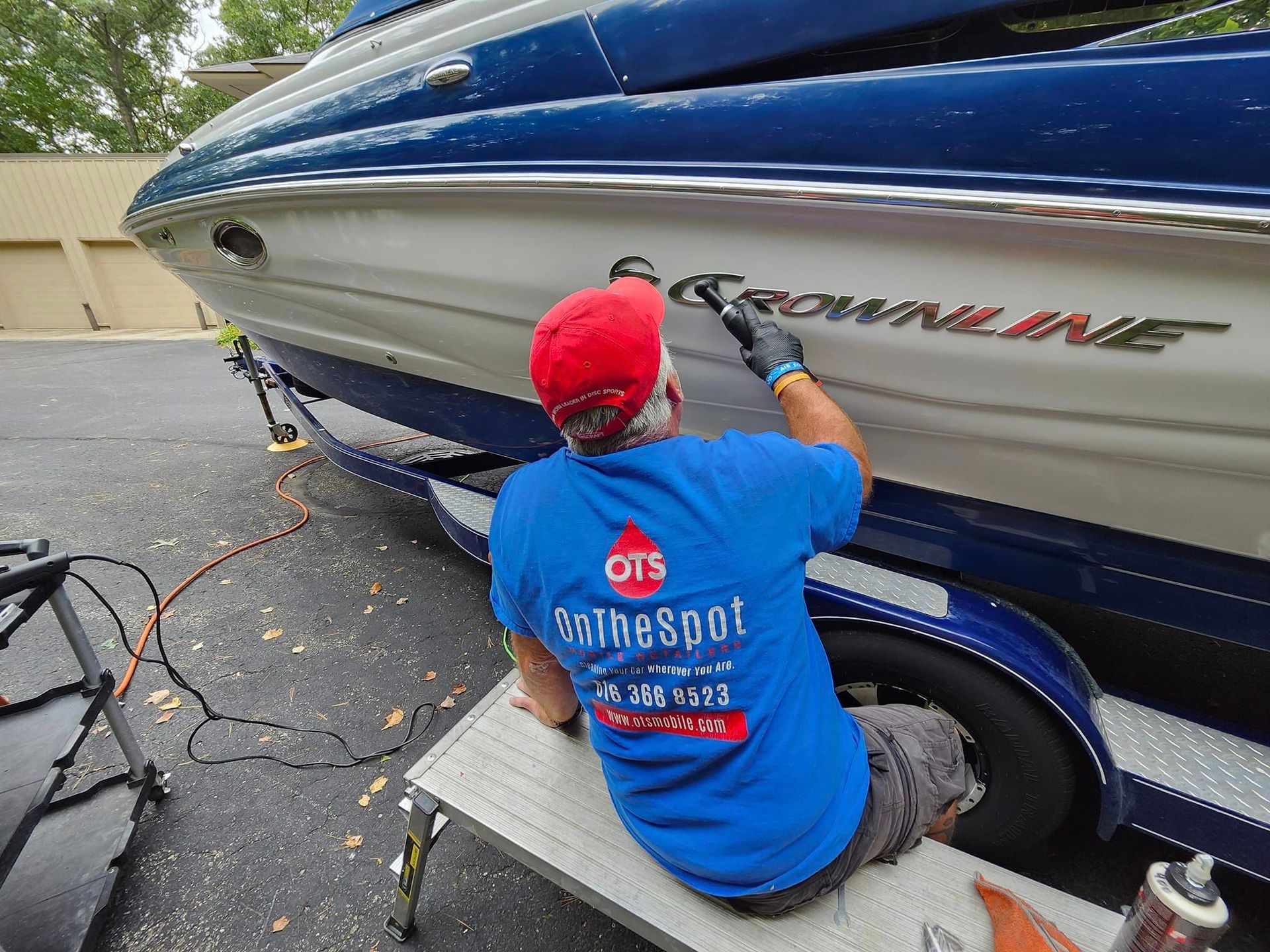
It might feel odd to bring up marine detailing and rv detailing in a discussion about matte, but the learned habits carry over. Gelcoat on boats, especially darker hulls, shows every mark and takes a measured hand. The same patience applies to matte automotive paint. Where it diverges is in correction. You can compound gelcoat back to life. You do not compound matte. An rv with a large satin vinyl graphic, however, behaves more like a matte car. Clean it with low-alkaline soaps, avoid petroleum dressings on rubber seals near the graphic, and if you must spot-clean, test in a hidden area first. Heat guns, a staple in vinyl work on RVs and boats, can gloss matte film if overused. Treat edges with respect.
Seasonal care and environmental realities
Winter wrecks finishes fast. Road salt, brine, and melting cycles leave minerals in every gap. Matte paint needs the same urgency, but the chemistry changes. Use a winter wash solution that adds a little bite without etching. Rinse undercarriages and wheel wells aggressively. Wheel coating pays for itself here. Brake dust and salt create a paste that eats clear coat. A coated wheel cleans with a gentle shampoo and mitt, no acid necessary.
In spring, pollen behaves like talc. It looks harmless and turns to paste if you try to wipe it dry. Rinse before touching. In summer, heat increases the risk of water spots and makes bug removal urgent. A matte-safe pre-soak helps, followed by microfiber only. Fall brings leaf tannins and sap. Park away from overhanging branches if you can. If not, carry your small kit and a patient mindset.
The ceramic coating question, answered carefully
Car owners ask if a ceramic coating will make their matte car shiny. The accurate answer is that a matte-specific ceramic coating will not add gloss. It will not transform the look. What you should expect is a marginally richer tone, faster washes, better water behavior, and improved stain resistance. If you want added sacrificial depth without changing the finish, pair the coating with satin PPF on high-impact areas. Some owners apply satin film to the full front clip and rocker panels, then coat the entire vehicle. That combination catches the gravel, resists rub marks from road debris, and keeps the car looking consistent.
The other question is durability. Manufacturers state two to five years. In the field, with proper washing and no abrasion, two to three years is realistic on daily drivers. Wheels and high-heat areas break down sooner. If you use touchless automatics in winter, be aware that strong alkalis hasten degradation. A quick topper designed for matte every few months restores slickness without gloss.
A day in the shop: a matte sedan that taught a few lessons
A client brought us a one-year-old matte gray sedan with faint shiny marks around the driver door handle and a brighter patch on the rear quarter. He swore he never took it through a tunnel wash. We inspected under raking light and found two causes. The door handle area had been wiped with a dirty towel at a gas station, probably after drips. The quarter panel showed a handprint-shaped sheen from someone leaning on it with sunscreen on their arm.
We washed with a mild matte shampoo, used an iron remover, and tested a localized solvent wipe on the sunscreen mark. The solvent, chosen for paint compatibility, reduced the darkened area but could not restore the texture. The door handle marring was permanent. No polish could fix it, and the client appreciated the candor. We suggested respraying the small section of the quarter or living with it. He chose to live with it, and we coated the car with a matte-safe ceramic. We also coated the wheels and applied a wheel coating on the barrels, since the car wore performance pads that shed dust. He left with a maintenance plan and two towels labeled door handles only. A month later, he emailed that the car was easier to clean and the shiny marks had not worsened. The experience reinforced the central truth. Education prevents 90 percent of matte frustrations.
On the Spot Mobile Detailers methodology for matte surfaces
Working matte finishes starts with a conversation. We ask owners about their habits, parking, and pain points. Then we tailor the service. For a new factory matte vehicle, our baseline is a thorough decontamination wash, inspection under multiple light temperatures, then a matte ceramic coating that preserves texture. Where appropriate, we include headlight restoration if the lenses show oxidation, but we stage that either before or after coating to avoid cross-contamination.
When performing mobile detailing for matte cars, On the Spot Mobile Detailers bring controlled variables to the driveway. That means clean DI water, inspected microfiber towels bagged by task, and product lines vetted for no unwanted sheen. We tape sensitive edges when using iron removers and keep separate sprayers for wheels to avoid cross-spritzing alkalines onto paint. If weather threatens, we pause. A matte job rushed in wind or harsh sun is a redo waiting to happen.
We also work with clients who maintain households with multiple finishes, from glossy SUVs to matte motorcycles and even residential coating projects on garage floors. The crossover knowledge is useful. The same caution with solvents on a matte tank applies to a sealed concrete floor that should not be etched. Respect the chemistry and the surface will reward you.
Working around wheels, tires, and dressings
Tire dressings can be the villain in matte care, especially sling. If you love a dark tire, pick a water-based, low-sling formula and buff it thoroughly before driving. Solvent-heavy gels atomize at speed and pepper rear doors with droplets that stain. We often skip shiny tire looks for matte cars in favor of clean rubber that reads natural. When a client insists on sheen, we install temporary wheel well shields during application and wipe the sidewalls after a short drive, catching any sling before it dries.
Wheel faces benefit from a ceramic coating designed to resist heat. It cuts cleaning time in half. Brake calipers with a matte finish deserve the same caution as body panels. Avoid acids and stiff brushes. A soft wheel brush and a pH-balanced cleaner keep the look consistent.
What about wraps and satin PPF
Vinyl wraps and satin paint protection film broaden the matte universe. They allow complex colors and finishes that manufacturers do not offer. They also change maintenance slightly. Wrapped cars should be washed with wrap-safe soaps that avoid plasticizers. Some coatings are compatible with vinyl and PPF, but not all. Choose a ceramic that states film compatibility, or you risk voiding film warranties. Edges deserve extra care, since trapped detergents will dry chalky.
The upside to matte film is repairability. A panel strike that would end a factory matte clear can be solved by rewrapping the door. Panels age differently though. After three to five years of sun, a new section might read a hair darker or lighter. Expect minor differences in certain lights and plan full-side replacements if perfect uniformity matters to you.
A short, practical checklist for matte owners
- Wash by hand with a matte-safe, residue-free shampoo and DI rinse water when possible. Blot dry with clean microfiber or use a blower, never drag dirt across panels. Remove bugs, bird droppings, and sap the same day with a matte-safe detailer. Use matte-specific ceramic coating for protection, not gloss waxes or polishes. Keep tire dressings low-sling and avoid any product that can mist onto paint.
Weathered, but not worn: longevity expectations
A well-maintained matte finish can look fresh for years. The biggest drivers of longevity are how you wash, where you park, and whether you protect the surface. Garage-kept, coated matte cars that see weekly gentle washes often hold their character for five to eight years before clear coat aging shows as subtle patchiness. Outdoor daily drivers in intense sun may show uneven fading sooner. This is where a quality matte ceramic and, even better, satin PPF on high-impact zones, pays off. You do not get the same optical forgiveness as gloss, but you can keep the design intent intact.
Think about ownership cycles too. If you plan to sell in three years, prioritize easy maintenance and uniform appearance. If you plan to keep it a decade, build a layered defense with film and coating, and treat the car like a craft object during washes. That is not fussy, it is practical. Time spent right prevents time spent chasing repairs that do not exist for matte.
How On the Spot Mobile Detailers approaches tricky edge cases
Every technician has a story that sharpened their methods. With matte, mine was a black satin hatchback that came in after a warehouse photoshoot. The crew had applied a light silicone spray to make tires pop. Under the strobes, the car looked perfect. Under sunlight the next day, the lower doors wore a constellation of gloss freckles from sling. We tested citrus-based degreasers, panel wipes, and diluted IPA on hidden areas before touching the visible stains. The only safe path was patience, repeated gentle washes, and, in two stubborn spots, a targeted solvent lifted with a damp microfiber and immediate neutralization. It took hours, but the finish survived. The lesson stuck. Control the environment. Tape tires during dressing. Test everything.
That is the spirit we bring at On the Spot Mobile Detailers. Whether the job is a simple car detailing wash and matte inspection, a full ceramic coating on a new delivery, or add-on headlight restoration that respects adjacent flat paint, the throughline is restraint. We leave the shine to the people who want it. For the rest, the reward is a car that looks like sculpture rolling down the road.
Final thoughts that are not about shine
Matte paint invites a different relationship with your car. You notice the surface in diffuse morning light instead of hunting for perfect reflections. The care routine is quieter, leaning on prevention and correct chemistry. The tools are simple, the rules are strict, and the results feel surprisingly effortless once the habits settle in. You do not need a big product shelf. You need the right soap, the right towels, a matte-safe ceramic if you want easier washes, and a refusal to rub at trouble spots with whatever is nearby.
If you treat matte paint like what it is, a texture-first finish, it rewards you with a look that stays intentional. The day you forget and reach for a polish, you change it. That is why professionals build systems that keep temptation away. Label your towels. Segregate your products. Store dirty mitts out of the car. Keep one small kit ready for the messes life throws your way. The rest is just rhythm, a careful wash in the shade, and a car that looks complete without chasing gloss.