West Michigan gives drivers a full salt bath from November through March. Kentwood’s plows and brine trucks do their job well, and our cars pay for it. Salt dust floats into door seams, magnesium chloride cakes on wheel barrels, and freeze thaw cycles test every seam and seal. Winterizing a vehicle here is not a single service, it is a layered plan that starts in early fall and carries into the first thaw. Auto detailing Kentwood practices revolve around anticipating that abuse and creating enough protection, access, and routine to keep the damage from setting in.
I have watched daily drivers survive winters better than weekend garage queens because their owners followed a realistic maintenance rhythm. Think in terms of simple, repeatable steps that fit your schedule, backed by the right coatings and tools. Below I will walk through what matters most and how we approach it in the field.
What winter does to finishes and materials in Kent County
The salt mixture around Grand Rapids is not just sodium chloride. Public works uses brine and magnesium chloride to get melting action at lower temps. Those compounds creep. They find bare aluminum on wheels, unfinished metal edges on underbodies, unprotected calipers, and any pinhole in your clear coat. Left alone, they stain, corrode, and start pitting. That is why car detailing Kentwood pros focus on wheels and lower body panels first. These are the earliest signs of winter damage.
Plastic trim oxidizes faster in cold sun because the air is dry and the UV index on clear winter days still chews through oils in the polymer. Glass etching from mineral-laden spray happens when windshield washer fluid fights a losing battle with slush and sand. Inside the cabin, wet boots drive salt into carpet fiber. That crystallized salt pulls moisture from the air for days, so your interior stays damp longer, feeding mildew and a stale smell by February.
I have seen otherwise clean vehicles come out of winter with white halos around door speaker grills and under seat mounts. That is wicking from road salt that migrated through carpet padding. Strong vacuuming alone will not pull it out. You need heat, chemistry, and an interior coating that blocks the next migration.
Build a cold weather wash strategy you can actually execute
In January, a perfect two bucket wash is a fantasy for most people. The water freezes on the driveway, your fingers go numb, and you rush through the process. The answer is not to skip washes. It is to simplify them and use products that work in subfreezing air.
A rinseless wash with lots of lubrication solves 80 percent of the problem if used before the vehicle is caked in heavy slush. Pre-treat with a pump sprayer, let chemistry lift the grime, then wipe with plush towels. For serious buildup, a touchless pre-soak at a self-serve bay followed by a rinseless method in a heated garage keeps you from grinding grit into paint. If you do not have indoor space, plan your wash for the warmest part of the day and blow out mirror caps, door handles, and door seals with a small electric blower so ice does not form.

Here is a simple winter kit that keeps you in the fight without a full shop setup:
- One high lubricity rinseless wash concentrate and a 2 gallon sprayer A stack of 10 to 15 plush, 500 GSM microfiber towels A compact blower or compressed air source for cracks and crevices Tire and wheel cleaner safe for coated surfaces, plus a soft wheel brush A drying aid or spray sealant that flashes quickly in the cold
On glass, add an isopropyl alcohol mix to remove washer fluid film that smears when temps dip under 20. Wipe the trailing edge of wiper blades weekly. If you coated the glass in the fall, snow will slide and you will keep visibility when the roads go gray.
The case for protection layers before the first frost
Wax still has its place as a sacrificial layer, but it runs out of steam quickly in our winters. A synthetic sealant gives you longer water beading and chemical resistance, often 3 to 6 months in cold use. Ceramic coating Kentwood is the step that changes maintenance. A properly prepped ceramic on paint and wheels becomes a shield you can actually measure by how fast the vehicle rinses clean.
A word on prep, because this is where vehicles win or lose the season. Paint correction Kentwood in September or early October is ideal. You remove bonded contaminants and correct the light marring from summer, then lock in gloss before salt takes its first swing. Even a one step polish, when followed by a mid-tier ceramic, will outperform a heavy correction done too late. The colder the panel, the trickier the application and leveling, so timing matters.

For interiors, an interior coating Kentwood approach that covers fabric, leather, and plastics keeps road salt from setting into carpets and improves cleanup of black slush on door sills. I prefer a breathable textile coating on floor mats and trunk liners. It lets moisture evaporate while resisting stains. Leather responds best to a modern coating that combines UV inhibitors and abrasion resistance, so jean dye transfer in winter layers does not ghost the bolsters.
Wheel coating Kentwood can look like an indulgence until February. That is when the techs who did it smile. Brake dust and salt cocktail is nasty, and a coated wheel face needs far less agitation to release it. The backs of spokes and inner barrels stay smooth. When you rinse at a coin-op bay, you actually see clean metal again instead of a gray film that laughs at you.
How On the Spot Mobile Detailers winter-preps vehicles in Kentwood
In practice, a successful winterization bundles a few key services and sets a maintenance cadence. When we map that out, we break the work into an initial day and two short follow ups before deep winter.
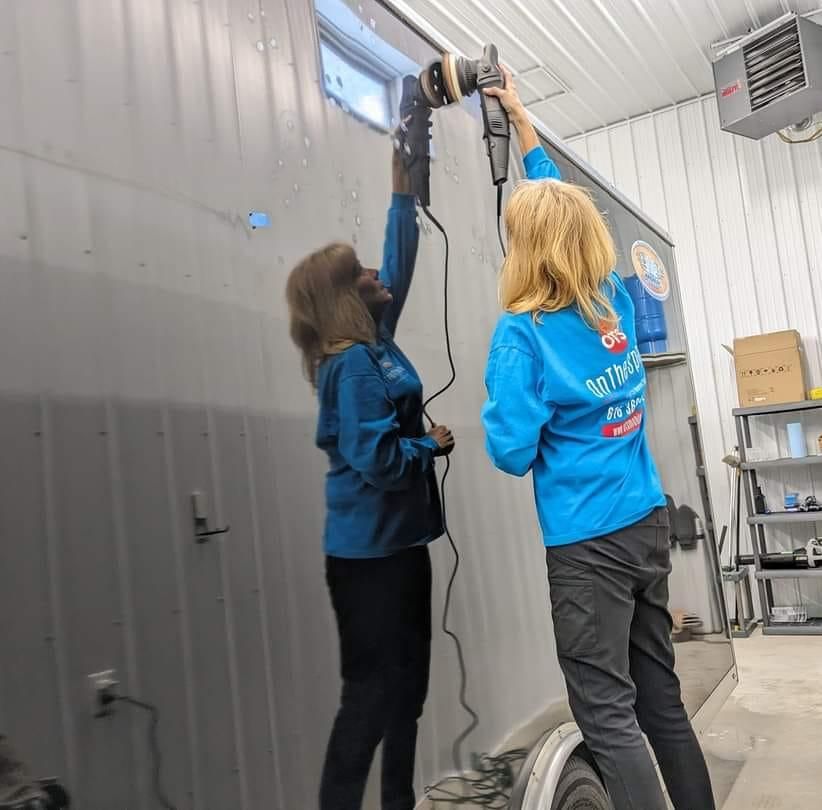
On the Spot Mobile Detailers pairs a light to moderate paint correction with a ceramic coating on paint, an independent coating on wheels and calipers, and a full interior protectant package. For vehicles with existing swirl and light water spotting, a single polishing step clears the surface and we can coat the same day. Headlight restoration Kentwood is often added on older SUVs and sedans, because daylight is short and clear lenses make a visible difference on unlit two-lanes by Caledonia or Gaines Township. Restored polycarbonate should be finished with a UV-stable coating, not just sanded and polished. That coating is what prevents re-hazing in spring.
The maintenance cadence we recommend is easy to remember. A light rinseless wash every two weeks during the heart of winter, plus one underbody flush after each major freeze thaw cycle. I have customers with unheated garages who keep a folding table for their towels and a space heater to keep fingers working. Those small adjustments keep them from procrastinating until the vehicle is wearing a salt sweater.
Paint, trim, and the chemistry of winter beading
People like the look of tight beads, but in winter I prefer fast sheeting on horizontal surfaces. Tall beads can trap dirt that freezes overnight, then drag when wind knocks them loose. A well-balanced ceramic gives both, but on hoods and roofs, a topper that favors sheeting keeps those surfaces cleaner through a snow squall. Plastic and rubber trim benefit from a dedicated trim coating, not overspray from paint products. The oils in true trim coatings sink into the polymer and slow chalking, which is visible by March if you skip it.
I worked on a black F-150 in Kentwood that came in every fall for a one step polish and a two year ceramic. The owner uses a touchless bay when temps dive. By late January the uncoated trucks in his lot look dull gray at the rockers. His still throws water and dirt after a low pressure rinse. The difference is not glamour, it is math. The coating resists the ionic bond that salt and grime try to form. Less pressure, less touching, fewer wash-induced swirls.
The headlight problem nobody thinks about until the first snowstorm
Hazy headlights are not just a cosmetic issue. Road film builds faster in winter, your windshield washer throws a mix of alcohol and detergents, but there is no such helper for headlights. If the UV layer is compromised, the lens holds onto grime and diffuses light. I restored a ten year old Outback last December that had lost close to 40 percent of its throw. We sanded through the oxidized layer, refined the finish, then applied a catalyzed coating. The night test on 44th Street was immediate. With fresh bulbs and clear optics, the low beams stopped bleeding sideways and punched forward. Headlight restoration Kentwood services pay off disproportionately in winter because you use interior coating Kentwood them more hours per day.
Salt inside the cabin and what to do about it
The white bloom on carpet comes from dissolved salt wicking up as the fabric dries. If you catch it early, a hot water extraction with a salt specific cleaner will break it down. If it sits through March, it damages backing and leaves a stiff, scratchy texture that shoes grind into powder. The first defense is physical, not chemical. Deep rubber mats that trap and confine meltwater make life easier, but only if you empty and rinse them weekly. Second, seal the fabric. Interior coating Kentwood on carpets creates a barrier that buys you time. You still need to clean, but stains stop penetrating.
Salt in seams along door sills and under trim panels is another winter signature. Blow those seams out during your quick washes and you will keep corrosion from starting where you cannot see it. A light application of a plastic safe protectant on door gaskets helps ice release on cold mornings. Avoid anything greasy. It attracts grit and turns into a grinding paste.
On the Spot Mobile Detailers tips for tough-weather washing
There are days when the mercury and the wind conspire against you. On those days, adapt rather than skip. A warmed garage makes a huge difference, but many of our customers do fine with a simple plan.
- Work panel by panel with a pre-spray and rinseless towels, starting at the roof Agitate wheels last with dedicated tools and towels, then bag those towels separately Use a drying aid to reduce towel friction, then blow out mirrors and handles Crack doors and wipe the lower jambs to remove salt lines Finish with a quick glass wipe, including mirrors and backup camera lens
On the Spot Mobile Detailers uses deionized water on mobile jobs in the cold to reduce spotting. That matters when a gust hits your rinse at 28 degrees and you cannot chase every droplet. The less mineral content in the water, the lower the risk of temporary spotting that dries into a crust.
Where marine and RV owners fit into winter prep
Marine detailing Kentwood usually peaks in late summer, but the winterization detail is underrated. Boats stored indoors still off-gas and collect dust. A gentle wash and a spray sealant on gelcoat before storage slows oxidation. Vinyl responds well to a pH-balanced clean and a non-greasy protectant. When spring comes, you are not scrubbing chalk out of textured floors.
RV detailing Kentwood has a similar curve. Before storage, wash the roof thoroughly. That is where grime bakes all winter on a south facing pad. If you can, coat the roof with a product intended for its material, whether EPDM, TPO, or fiberglass. Coating the front cap and lower body panels helps in spring, because when you pull out of storage, you will hit that same cocktail of brine and grit on your first shakedown run. A quick detail now saves hours later.
A realistic schedule for Kentwood winters
If you are building your own plan, keep it simple. The week before Halloween is your best window to correct paint, apply ceramic coating Kentwood packages, and seal the interior. By Thanksgiving, you want your protection fully cured. During December and January, aim for quick maintenance every two weeks and a deeper wash on any warm spell that breaks 35 degrees. Check underbody rinses after each salting wave when temperatures bounce above freezing. In March, schedule a decontamination wash with iron remover to strip off winter fallout, and inspect your protection. Top where needed.
People ask if a single layer ceramic will last through a West Michigan winter. The short answer is yes, if it has bonded to properly prepped paint and you are not hitting it with harsh caustics weekly. Two layers or a base plus a topper makes maintenance easier, but you do not always need the most exotic product. The bigger factor is how you wash.
When mobile detailing makes the difference
Work and weather do not always line up. That is when mobile detailing Kentwood services step in to keep your schedule realistic. A heated water supply, proper containment, and lighting allow quality work in the customer’s driveway or garage even when it is too cold for DIY. On the Spot Mobile Detailers crews run all winter with equipment set up to deliver safe outcomes in low temperatures. We avoid product lines that flash too fast in the cold and manage cure times with airflow and panel temp checks. In practical terms, that means you do not have to wait for a rare 45 degree day to get your midwinter reset.
In neighborhoods where street parking is common, a mobile option also lets you address wheels and jambs you cannot comfortably do at a coin-op bay. I have watched owners try to spray off door hinges in freezing wind, then fight doors that stick shut the next morning. A controlled environment, even a small one, solves that.
Detailing for people who use their trucks and SUVs
Not every vehicle is a garage queen. Contractors who carry salt bags, parents hauling hockey gear, commuters who leave before sunrise all need the same thing, quick cleanup and durable surfaces. A ceramic on paint and plastics prevents the matte gray film that settles on mirror caps and bumper corners. A proper wheel coating keeps brake dust from binding with salt. An interior protectant lets you wipe boot scuffs off door sills without scrubbing.
One of our regulars runs a white Transit that piles highway miles between Kentwood and Holland. After his fall service with On the Spot Mobile Detailers, he keeps a small sprayer and towels behind the seat. At the gas station he wipes the leading edge of the hood and the backs of mirrors. Those two minutes prevent hours of polishing in spring. Small habits, backed by chemistry, are what carry you through.
Don’t forget the places you can’t see
Underbody care is not glamorous, but it pays. Modern vehicles use more aluminum and coated fasteners, yet exposed steel still hides in seams and subframes. An underbody rinse at a touchless bay is better than nothing, but do not stop there. If you have a chance in fall, apply a light, creeping rust inhibitor to high risk points. It is messy, but it buys time. Also check drain points in doors and hatch lids. They clog with leaf fragments and grit in November. A few minutes with a plastic pick and compressed air keeps trapped water from freezing and swelling seams.
If you park in a warm garage, be aware that salt goes active again as it warms. Your car becomes a brine drip overnight, and that liquid seeps into places it could not when frozen. That is another argument for a robust coating regime and regular underbody flushing. Residential coating Kentwood on garage floors is a quiet hero here. Epoxy or polyaspartic floors resist salt attack and clean up quickly, so you are not grinding white dust into concrete day after day.
The role of glass and mirrors in winter fatigue
Clear glass is not a luxury in winter. It is the difference between a calm drive and a tense one. A dedicated glass coating applied in fall makes slush and washer fluid slide away. Wiper chatter drops because the blade does not grab micro pits. Side mirrors stay usable, and your backup camera lens cleans with a single wipe. If you do not coat the glass, at least deep clean it with a mineral remover before winter. That strips hard water spots that cause glare on dark commutes.
While you are there, set your washer fluid to a genuine low temperature formula. Keep a spare gallon in the trunk. Cheap blue fluid turns to slush in the lines when temperatures plunge, and then you are blind until the defroster catches up.
What “good enough” looks like in February
Perfection is not the goal in a January thaw puddle. Consistency is. A quick pass that gets 70 percent of the salt off does more for your finish than waiting for a free afternoon that never comes. Protect where you can ahead of time, simplify your tools, and keep a rhythm.
On the Spot Mobile Detailers has spent a lot of winters refining what actually works here. The vehicles that come out of March looking freshest are not the most pampered, they are the most prepared. Between ceramic coating Kentwood packages, scheduled light washes, targeted headlight restoration Kentwood, and attention to wheels and interiors, those vehicles need the least spring correction. That is the quiet reward, a car that still feels tight and clean when the snow piles recede.
If you live in Kentwood, you know how quickly a calm morning can turn into horizontal snow by noon. Your winterizing plan should be as practical as your snow brush at the ready. Protect the surfaces, manage the salt, and keep the process simple enough that you will actually do it.